A painful heel with your first steps in the morning, an elbow that will not settle down after work, or a shoulder that hurts every time you reach overhead can make ordinary days feel much smaller. Understanding how shockwave therapy works can help you decide whether this non-invasive treatment may be a useful part of your plan for getting back to comfortable movement.
Shockwave therapy is commonly used for persistent musculoskeletal pain involving tendons, muscles, and connective tissue. It does not involve surgery, injections, or medication. Instead, a provider applies controlled acoustic pressure waves to a targeted area of the body. Those waves are intended to stimulate the body’s natural repair response while helping reduce pain and improve tissue mobility.
How Shockwave Therapy Works in the Body
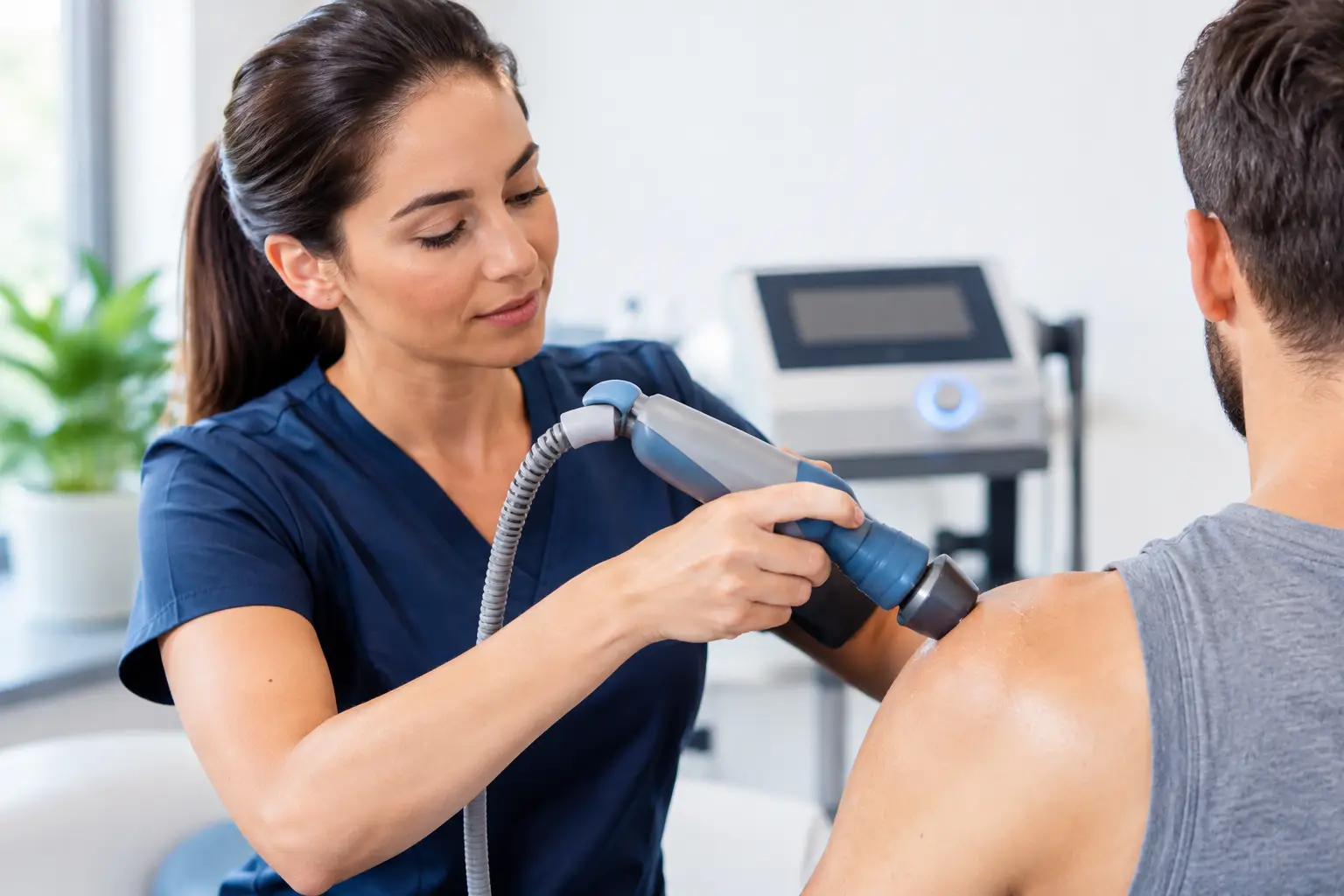
Despite the name, shockwave therapy does not deliver an electrical shock. The treatment uses sound-wave energy, also called acoustic waves. A handheld device sends short pulses through the skin into the painful tissue. Your provider adjusts the treatment area and energy level based on your condition, comfort, and how your body responds.
The mechanical energy creates a controlled stimulus in tissue that has often been irritated, overloaded, or slow to recover. This process is sometimes called mechanotransduction: physical energy encourages cells to respond differently. In practical terms, the goal is to prompt healing activity in an area that may have stopped progressing with rest alone.
Research and clinical use suggest shockwave therapy may support several helpful changes. It can encourage local circulation, stimulate cellular activity involved in tissue repair, and help remodel unhealthy or disorganized tissue. It may also influence how pain signals are processed, which can reduce sensitivity in a stubborn painful area.
These effects are not instant tissue reconstruction, and results vary. A tendon problem that developed over many months usually needs more than one treatment and a plan that addresses the stress causing it. Shockwave therapy works best as an active part of care, not as a replacement for appropriate movement, strengthening, and lifestyle adjustments.
Why Chronic Tendon Pain Can Be Hard to Resolve
Tendons connect muscle to bone. They work hard every time you walk, lift, grip, climb stairs, or play sports. When a tendon is repeatedly overloaded, it can become painful and less able to tolerate normal demand. Rest may calm symptoms temporarily, but the tissue may still struggle when you return to the same activity.
This is why problems such as plantar fasciitis, Achilles tendon pain, tennis elbow, golfer’s elbow, and some shoulder tendon conditions can linger. The issue is not always active inflammation alone. In long-lasting cases, the tissue may have reduced circulation, altered structure, and increased pain sensitivity.
Shockwave therapy is often considered when conservative care has not provided enough progress. It may help restart the body’s response in a targeted area, while rehabilitative exercises help that area regain strength and capacity. The right approach depends on the diagnosis. Pain in the same location can come from different structures, so an exam matters before treatment begins.
What a Shockwave Therapy Appointment Feels Like
Your visit starts with a discussion of your symptoms, activity demands, health history, and treatment goals. A provider examines the painful region and checks movement, strength, and tenderness. This helps determine whether shockwave therapy is appropriate and where treatment should be focused.
During treatment, gel is placed on the skin to help transmit the acoustic waves. The handheld applicator is moved over the target area. Most sessions are relatively brief, often lasting about 10 to 20 minutes depending on the body part and treatment plan.
You may feel tapping, pulsing, or a deep aching sensation. Some areas are more sensitive than others, especially near an irritated tendon attachment. Treatment should be tolerable, and your provider can adjust the intensity if needed. Clear communication matters. The goal is to deliver an effective treatment without pushing beyond what you can reasonably tolerate.
It is common to have temporary soreness, redness, or tenderness afterward. Some people notice a change in symptoms quickly, while others improve gradually over several weeks as the tissue responds. A short-term flare does not always mean the treatment failed, but worsening or unusual symptoms should be discussed with your provider.
Conditions That May Respond to Shockwave Therapy
Shockwave therapy is frequently used for chronic soft-tissue conditions that have not improved enough with basic self-care. Common examples include plantar fasciitis, Achilles tendinopathy, tennis elbow, golfer’s elbow, rotator cuff-related shoulder pain, patellar tendon pain, and certain hip or gluteal tendon problems.
It can also be considered for muscle tightness or trigger-point-related pain in some cases. However, not every painful muscle, joint, or tendon should receive shockwave therapy. Arthritis, nerve compression, fractures, infections, significant tears, and referred pain from the spine may require a different treatment path.
For people recovering from physically demanding work, repetitive strain, sports activity, or a car accident, the most useful question is not simply, “Can shockwave therapy help?” It is, “What is causing my pain, and what combination of care gives me the best chance of improving?” A complete evaluation can answer that question more reliably than treating the painful spot alone.
Why Treatment Is Often Combined With Rehabilitation
If pain improves but the underlying movement problem remains, symptoms can return when daily demands increase. That is why shockwave therapy is commonly paired with specific stretches, strengthening exercises, manual therapy, and activity modification.
For example, someone with plantar fasciitis may need more than treatment to the bottom of the foot. Calf tightness, ankle mobility, footwear, standing demands, and foot mechanics can all affect recovery. Someone with elbow pain may benefit from gradual grip and forearm strengthening, along with changes to repetitive lifting or computer work.
At Honolulu Pain Relief Center, shockwave therapy can be integrated with chiropractic care, massage therapy, laser therapy, and rehabilitative techniques when clinically appropriate. This gives patients more than one pathway to address pain, mobility, and the physical demands that may be keeping a condition active.
Who Should Use Caution or Avoid Treatment
Shockwave therapy is non-invasive, but it is still a medical treatment that requires screening. It may not be appropriate over an active infection, open wound, known tumor, or an area with a suspected fracture. Providers also need to consider bleeding disorders, certain medications, pregnancy, significant circulation or nerve issues, and implanted devices depending on the treatment area and equipment used.
If you have had recent surgery, use blood-thinning medication, or have unexplained pain or swelling, bring that up before scheduling treatment. A responsible provider will assess whether shockwave therapy fits your condition rather than assuming it is the answer for every type of pain.
Setting Realistic Expectations for Relief
Many patients want fast relief because pain is already affecting sleep, work, exercise, and family life. Shockwave therapy can be a valuable option, but it is not a guaranteed one-visit fix. The number of sessions varies based on the diagnosis, how long symptoms have been present, tissue condition, and your ability to follow the rest of the care plan.
Improvement often looks gradual: less pain with the first steps of the day, better tolerance for standing, fewer flare-ups after work, or more comfortable reaching and lifting. Those functional gains matter because they help you return to the activities that support a healthy, active life.
If persistent pain is making you avoid the things you need or enjoy doing, do not assume you simply have to live with it. A focused evaluation can identify whether shockwave therapy, rehabilitation, or another non-surgical treatment approach is the most sensible next step for your body and your goals.